How to Choose the Right Wedge Welding Machine for Your Dubai-Based Business
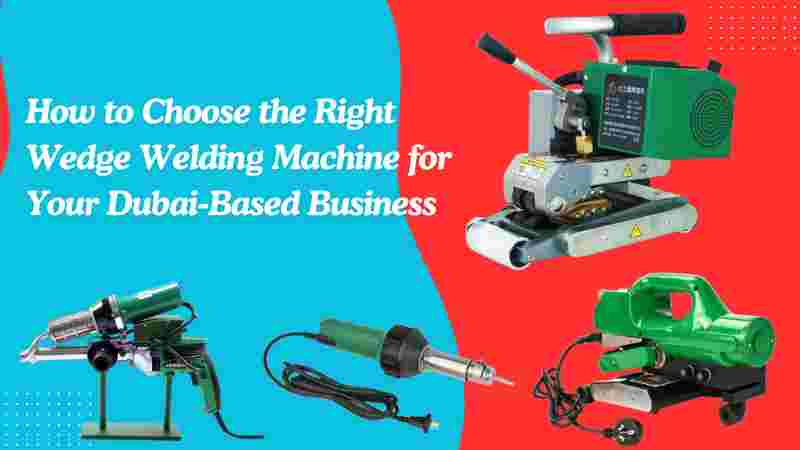
Selecting appropriate wedge welding equipment represents a significant investment decision for Dubai-based contractors, manufacturers, and waterproofing specialists. The right machine can enhance productivity, ensure consistent quality, and provide competitive advantages in the UAE’s demanding construction market. Conversely, an inappropriate choice can result in operational inefficiencies, quality problems, and missed business opportunities. This comprehensive guide examines the critical factors Dubai businesses must consider when choosing wedge welding equipment, helping you make informed decisions that align with your operational requirements, budget constraints, and growth objectives.
Understanding Your Business Requirements
Assessing Your Application Portfolio
Before evaluating specific equipment models, thoroughly analyze the types of projects your business typically handles:
Material Types: Different thermoplastic materials including PVC (polyvinyl chloride), TPO (thermoplastic polyolefin), HDPE (high-density polyethylene), and LLDPE (linear low-density polyethylene) have distinct welding requirements. Some machines offer versatility across multiple materials, while specialized units optimize performance for specific applications. Dubai contractors working primarily in commercial roofing might prioritize TPO and PVC capabilities, while those focused on geomembrane installations need HDPE proficiency.
Project Scale: Consider whether your business primarily handles small repairs and residential projects or large commercial and industrial installations. A roofing contractor working on villa developments in Arabian Ranches has vastly different requirements than a civil contractor installing geomembranes for Dubai Municipality water infrastructure projects. Project scale directly influences appropriate equipment size, automation level, and production capacity.
Installation Environments: Evaluate typical working conditions including accessibility constraints, power availability, and whether work occurs primarily in controlled factory settings or field environments. Rooftop installations on Dubai Marina high-rises present different challenges than ground-level geomembrane installations in industrial zones like Jebel Ali.
Volume and Capacity Planning
Realistic assessment of welding volume requirements prevents both over-investment in excessive capacity and under-investment resulting in production bottlenecks:
Current Workload Analysis: Calculate average linear meters of welding completed monthly across recent projects. This baseline establishes minimum capacity requirements while identifying peak demand periods.
Growth Projections: Dubai’s construction sector experiences cyclical demand influenced by economic conditions, major events, and government initiatives. Factor reasonable growth expectations into equipment selection, ensuring machines can accommodate expanding workload without immediate replacement needs.
Utilization Rates: Equipment sitting idle represents unproductive capital investment. Conversely, machines operating at maximum capacity lack flexibility for rush projects or equipment maintenance. Target 60-75% average utilization for optimal return on investment.
Key Technical Specifications to Consider
Welding Width and Speed Capabilities
Wedge welding machines vary significantly in their dimensional capabilities and operational speeds:
Seam Width Options: Most machines accommodate seam widths between 20mm and 40mm, though specifications vary by model. Wider seams provide additional safety factors and may be required by certain specifications, while narrower seams reduce material consumption in overlap areas. Consider the typical seam width requirements in your application area—roofing membranes often specify different widths than geomembrane installations.
Maximum Speed: Advanced machines achieve speeds exceeding 15 meters per minute under optimal conditions, though practical field speeds often range from 3-8 meters per minute depending on material, operator skill, and working conditions. Faster machines command premium prices but deliver productivity advantages on large projects. For Dubai businesses handling substantial commercial projects, this speed differential can significantly impact project profitability.
Width Capacity: Machine width, distinct from seam width, determines the maximum membrane width that can be accommodated. Standard machines handle sheets from 1.5 to 3 meters wide, while specialized units accommodate wider materials. This specification proves particularly relevant for prefabrication operations where maximum panel size affects transportation and installation logistics.
Temperature Control and Monitoring
Precise temperature management is critical for consistent weld quality, especially in Dubai’s extreme climate where ambient temperatures dramatically affect welding parameters:
Digital Temperature Control: Modern machines feature microprocessor-controlled heating systems maintaining precise temperatures regardless of environmental conditions. This technology proves essential in Dubai where summer rooftop temperatures can exceed 60°C while winter mornings might start at 15°C. Look for systems offering accuracy within ±5°C of setpoint across the operating range.
Multi-Zone Heating: Advanced wedge designs incorporate multiple heating zones allowing temperature optimization across the wedge width. This feature enhances weld consistency, particularly on thicker membranes or materials with challenging welding characteristics.
Temperature Monitoring and Data Logging: Equipment with integrated data logging records welding parameters throughout operations, creating permanent quality documentation. This capability increasingly proves valuable for projects requiring comprehensive quality assurance documentation, such as government contracts or developments seeking green building certifications like LEED or Estidama Pearl ratings.
Power Requirements and Portability
Practical considerations around power supply and equipment mobility significantly impact operational efficiency:
Electrical Specifications: Most professional wedge welding machines operate on 220-240V single-phase or 380-400V three-phase power. Dubai construction sites typically provide three-phase power, though rooftop installations may require portable generators. Verify that your chosen equipment matches available power infrastructure or budget for auxiliary power generation equipment.
Weight and Portability: Manual machines weighing 15-25 kilograms offer excellent portability for rooftop work requiring frequent repositioning. Automated machines with integrated drive systems may weigh 40-60 kilograms or more, providing superior productivity but requiring more robust handling logistics. Consider whether projects typically involve crane access or if equipment must be manually transported to installation areas.
Cord Length and Flexibility: Adequate power cord length (minimum 10-15 meters) reduces the need for extension cords that can create trip hazards and voltage drop issues. Some machines offer optional battery power for ultimate portability, valuable for repair work or installations in areas without convenient power access.
Automation Level and User Interface
Manual vs. Semi-Automatic vs. Fully Automatic
Wedge welding equipment spans a spectrum from entirely manual to fully automated systems:
Manual Machines: Operators control both machine travel speed and pressure application through hand-operated mechanisms. These affordable units suit businesses with lower volume requirements, specialized applications, or those building capabilities gradually. Manual machines require greater operator skill but offer maximum flexibility and lowest capital investment.
Semi-Automatic Systems: Incorporate motorized travel speed control while the operator guides machine direction and monitors quality. This configuration balances productivity, cost, and flexibility, making it popular among mid-sized Dubai contractors handling diverse project portfolios. Semi-automatic machines significantly reduce operator fatigue compared to manual units, enabling consistent performance throughout workdays that might extend eight or more hours in peak season.
Fully Automatic Equipment: Feature programmable welding parameters, constant speed control, automatic pressure adjustment, and sometimes guided travel systems. These premium machines maximize productivity and consistency on large-scale projects but represent substantial investment typically justified only by high-volume operations or specialized applications demanding maximum quality assurance.
Control Systems and User Interfaces
Modern equipment incorporates sophisticated control systems enhancing usability and quality:
Digital Displays: Clear readouts showing temperature, speed, and operational status enable operators to verify correct parameter settings and identify issues quickly. Backlit displays remain visible in Dubai’s intense sunlight or dim indoor environments.
Programmable Memory: Machines storing multiple parameter sets for different materials and applications reduce setup time and ensure consistent results when switching between project types. A contractor welding TPO roofing one week and HDPE geomembranes the next benefits significantly from this capability.
Diagnostic Systems: Built-in diagnostics identifying maintenance needs, component failures, or operational errors minimize downtime and simplify troubleshooting. When equipment issues arise on active jobsites, rapid diagnosis and resolution prevent costly project delays.
Build Quality and Reliability Factors
Construction Materials and Durability
Equipment operating in Dubai’s harsh environment must withstand extreme conditions:
Housing and Frame Construction: Machines with rugged metal housings and reinforced frames tolerate the inevitable impacts and rough handling occurring on construction sites better than units with extensive plastic components. Powder-coated or anodized finishes resist corrosion from coastal salt air affecting Dubai and other emirates’ projects.
Heating Element Design: The wedge heating element represents the machine’s heart, subject to thermal cycling and mechanical stress. Quality units feature heating elements with protective coatings resisting scratching and contamination while providing even heat distribution across the welding width. Replaceable elements allow cost-effective maintenance rather than requiring complete machine replacement when wear occurs.
Roller Quality: Pressure rollers applying force behind the heated wedge must maintain consistent geometry and surface condition throughout their service life. High-quality silicone or specialized polymer rollers resist heat degradation while providing appropriate pressure distribution. Sealed bearings in roller assemblies exclude dust contamination, critical for Dubai’s desert environment.
Manufacturer Reputation and Support Network
The importance of reliable manufacturer support cannot be overstated:
Established Track Record: Manufacturers with decades of experience producing thermoplastic welding equipment typically offer superior product refinement and reliability compared to newcomers. Research manufacturer history, customer testimonials, and independent reviews before committing to specific brands.
Local Representation: Equipment purchased from manufacturers with established UAE presence through authorized distributors or direct operations ensures access to technical support, spare parts, and warranty service. A quality wedge welding machine Dubai supplier maintains local inventory and technical expertise, minimizing downtime when service needs arise.
Training and Documentation: Comprehensive operator training and detailed technical documentation facilitate proper equipment use and maintenance. Manufacturers offering training programs in Arabic and English accommodate Dubai’s multilingual workforce while reducing the learning curve for new operators.
Service, Support, and Spare Parts Availability
After-Sales Support Infrastructure
Equipment reliability depends not just on initial quality but on ongoing support throughout its operational life:
Local Service Capability: Dubai-based or UAE-wide service networks respond rapidly to equipment issues. International manufacturers without local service presence may require weeks for technician mobilization or parts shipment, resulting in extended downtime during critical project phases.
Spare Parts Inventory: Critical components including heating elements, temperature sensors, pressure rollers, and control boards should be readily available from local suppliers. Verify parts availability and typical delivery timeframes before purchase, particularly for less common machine models.
Warranty Terms: Comprehensive warranties covering defects in materials and workmanship for minimum one year provide important protection for significant equipment investments. Understand warranty terms including what components are covered, whether labor is included, and any requirements for regular maintenance to maintain warranty validity.
Preventive Maintenance Requirements
Different machines demand varying maintenance intensity:
Maintenance Schedules: Evaluate manufacturer-recommended maintenance procedures and frequencies. Machines requiring extensive daily maintenance or frequent calibration may prove impractical for busy operations, while those with minimal maintenance needs reduce operational overhead.
Maintenance Complexity: Some maintenance tasks require factory-trained technicians while others can be performed by operators with basic training. Equipment designed for operator-level maintenance reduces dependency on specialized service providers and associated costs.
Consumables and Wear Parts: Calculate ongoing costs for consumable items including heating elements, rollers, and other wear components. Budget-priced machines sometimes prove expensive over their operational lifetime due to high consumables costs or frequent replacement needs.
Budget Considerations and Total Cost of Ownership
Initial Investment vs. Lifecycle Costs
Comprehensive financial analysis extends beyond purchase price to encompass total cost of ownership:
Equipment Purchase Price: Entry-level manual wedge welding machines start around AED 15,000-25,000, while advanced automatic systems can exceed AED 150,000. Dubai businesses must balance budget constraints against capability requirements and expected utilization levels.
Financing Options: Many equipment suppliers offer financing programs spreading costs over time. Leasing arrangements may provide tax advantages while preserving capital for other business needs. Evaluate financing terms carefully, considering interest rates and total payment obligations.
Operational Costs: Factor ongoing expenses including power consumption, maintenance labor, spare parts, and consumables. More expensive machines often deliver lower per-meter welding costs through faster speeds, greater reliability, and reduced maintenance requirements.
Productivity Value: Calculate potential revenue enabled by equipment capabilities. A machine completing projects faster allows accepting more work or reducing labor costs. In Dubai’s competitive market, equipment enabling quality differentiation may command premium pricing, offsetting higher equipment costs through enhanced profitability.
Return on Investment Calculations
Develop realistic ROI projections guiding equipment selection:
Payback Period: Calculate how many months or years of typical utilization will be required to recover equipment investment through increased productivity, reduced labor costs, or enabled revenue growth. Most Dubai contractors target 2-3 year payback periods for major equipment investments.
Opportunity Cost: Consider whether equipment investment enables bidding on project types previously inaccessible due to capability limitations. Winning even one major contract might justify equipment purchase that appeared expensive when evaluated only against existing workload.
Competitive Positioning: Premium equipment delivering superior quality and productivity provides competitive advantages when bidding against rivals using older or less capable machines. This strategic value proves difficult to quantify but materially impacts long-term business success.
Complementary Equipment Needs
Comprehensive thermoplastic welding capabilities require equipment beyond primary wedge welding machines:
Hot Air Extrusion Welders: Detail work, repairs, and complex geometries necessitate hot air welding equipment complementing wedge welding capabilities. Partnering with an experienced industrial extrusion welder UAE distributor ensures access to complete equipment portfolios addressing every project requirement. Budget for these complementary tools when planning overall equipment investment.
Testing Equipment: Quality assurance requires appropriate testing tools including tensiometers for destructive testing, air lance equipment for non-destructive seam testing, and calibrated thermometers verifying welding temperatures. These accessories represent additional investment but prove essential for meeting Dubai Municipality and other authorities’ quality documentation requirements.
Support Equipment: Membrane rollers, seam cleaners, and other auxiliary tools enhance productivity and quality. While individually inexpensive, comprehensive toolkits represent meaningful investment that should be factored into equipment budgets.
Making the Final Selection
Conducting Equipment Demonstrations
Before finalizing purchase decisions, insist on practical demonstrations:
On-Site Testing: Request that suppliers bring equipment to your facility or current jobsite for hands-on evaluation using actual project materials. This practical assessment reveals real-world performance far better than showroom demonstrations with optimal materials and conditions.
Operator Feedback: Include experienced welding technicians in equipment evaluation processes. Operators who will use equipment daily often identify practical advantages or limitations that managers focused on specifications might miss.
Multiple Vendor Comparison: Evaluate equipment from at least two or three manufacturers, comparing specifications, pricing, support offerings, and demonstrated performance. This competitive process ensures informed decisions while potentially providing negotiating leverage on pricing or terms.
Verifying Regulatory Compliance
Ensure selected equipment meets UAE requirements:
Safety Certifications: Equipment should carry appropriate safety certifications such as CE marking or equivalent standards demonstrating compliance with electrical safety and electromagnetic compatibility requirements.
Compatibility Verification: Confirm that equipment functions properly with the specific membrane brands and types you typically specify. While most quality machines handle standard materials, compatibility with specialized or newer membrane products should be verified.
Documentation Requirements: Verify that suppliers provide comprehensive documentation including operating manuals, maintenance guides, electrical schematics, and spare parts lists. These materials prove essential for training, maintenance, and troubleshooting throughout equipment service life.
Conclusion
Choosing the right wedge welding machine for your Dubai-based business requires careful analysis of technical requirements, operational considerations, budget constraints, and support infrastructure. The UAE’s challenging climate, demanding quality standards, and competitive market conditions make equipment selection particularly critical—the right machine enhances capabilities and profitability, while poor choices result in frustration and financial losses.
By systematically evaluating your application requirements, comparing available equipment across relevant specifications, assessing total cost of ownership rather than just purchase price, and verifying support infrastructure, Dubai businesses can make informed equipment investments supporting long-term success. Remember that welding equipment represents a significant but manageable investment in your business’s future capabilities, and that choosing reputable suppliers with established UAE presence provides ongoing value extending far beyond the initial purchase transaction.
The time invested in thorough equipment evaluation pays dividends through years of reliable service, consistent quality, and competitive advantages that distinguish your business in Dubai’s dynamic construction and manufacturing sectors. Whether you’re establishing new capabilities or upgrading existing equipment, the principles outlined in this guide will help ensure your wedge welding machine investment delivers maximum value for your specific business requirements.
